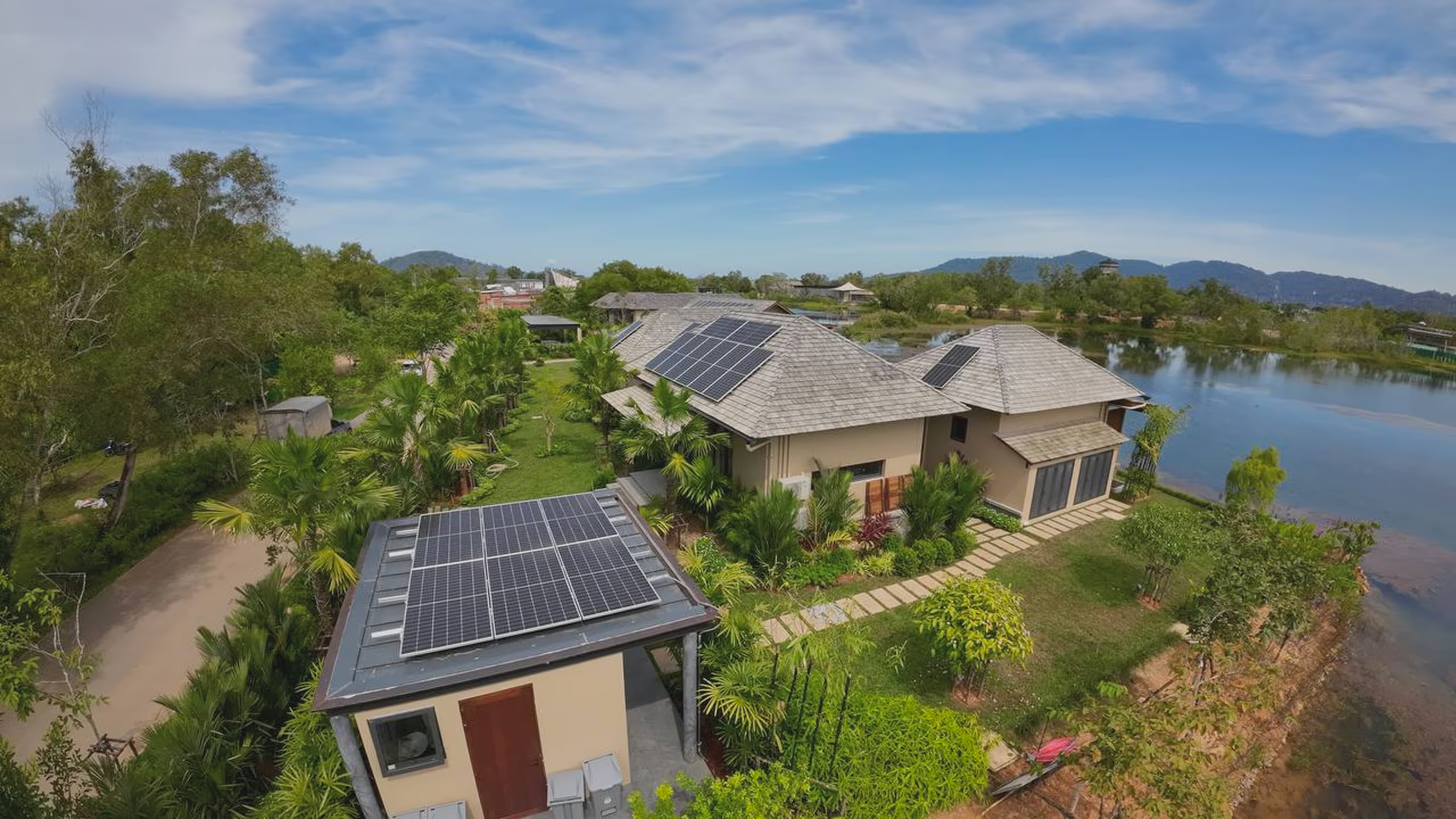
1. About the project
Key results
- Combines three buildings with separate electrical circuits and solar systems into a single integrated energy network using AC coupling.
- Ensures uninterrupted, surge protected power for all critical home systems.
- Minimizes grid consumption in host free mode through batteries, EMS, and automated control scenarios.
- Provides intelligent energy and climate management.
Project summary
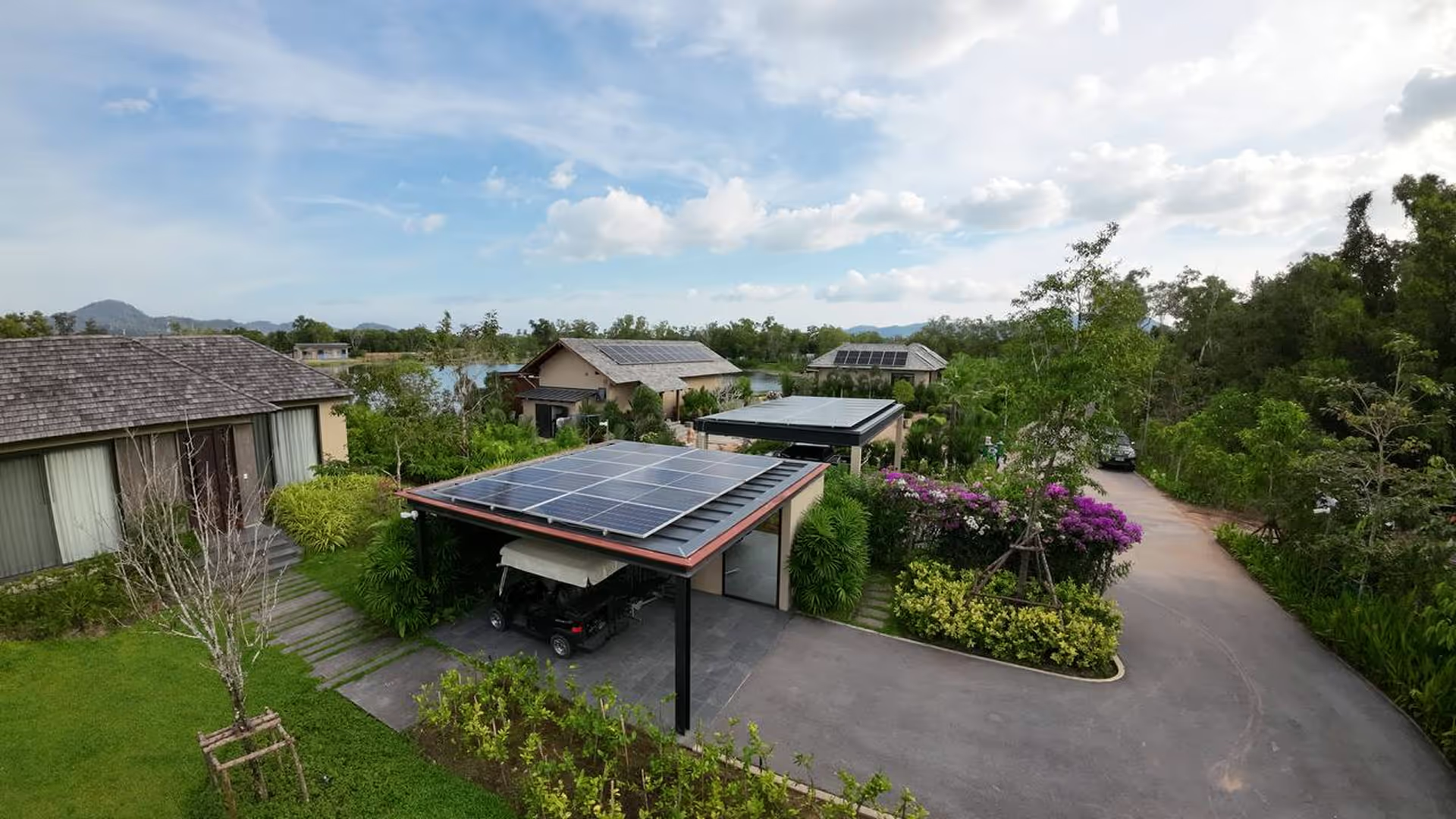
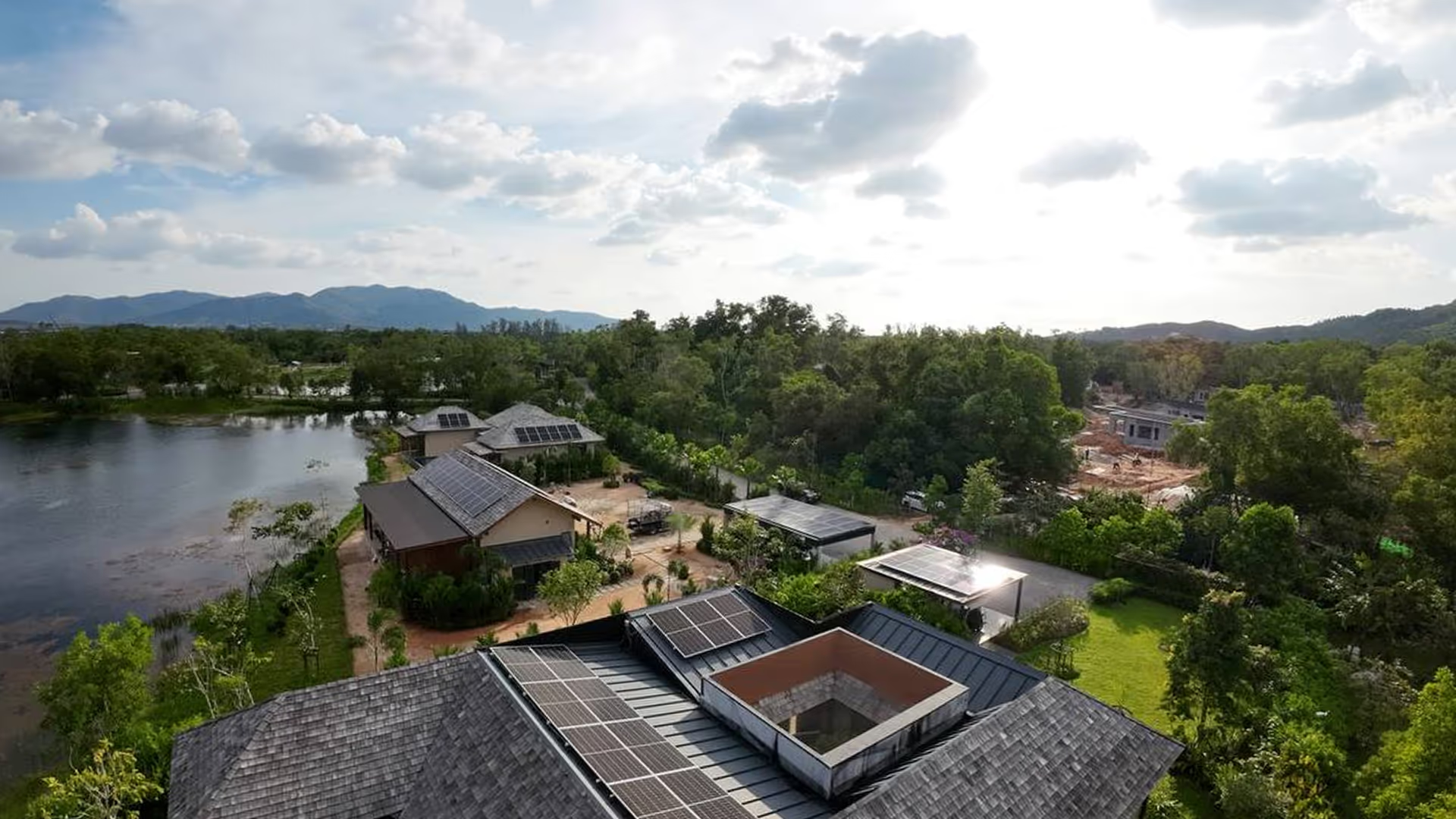
Tri Vananda is a private residential complex of three buildings, featuring complex roof architecture and high standards for the visual aesthetics of engineering solutions.
We designed and implemented a unified, centrally controlled energy system that shares solar generation across the buildings, provides backup power for critical loads, and maintains stable comfort even when the utility grid is unstable.
The system operates as a single intelligent ecosystem, automatically managing generation, storage, and consumption with no noticeable impact on residents.
2. About the Project and The Challenge
Starting point
- Three separate buildings, each with its own electrical circuit.
- No single center to monitor and manage energy across the compound.
- Increased outage risk due to an unstable grid.
- Strict requirements for fully concealed equipment installation.
Client request
The owner needed more than solar generation. The priority was a reliable, discreet system that runs automatically, protects the home during grid issues, and does not require constant attention.
Key requirements
- Reduce electricity costs.
- Provide backup power for all critical home systems.
- Maintain stable operation during grid disturbances.
- Preserve architectural aesthetics.
- Enable integrated energy and climate management.
Project Objective
Unify three buildings with separate electrical circuits into one controllable energy infrastructure.
The system must:
- Significantly reduce electricity bills.
- Deliver uninterrupted backup power for the home.
- Operate reliably despite grid instability.
- Remain visually unobtrusive within the architecture.
- Automatically manage both energy and climate.
- Keep the owners’ everyday lifestyle unchanged.
Goal
Create a single “energy brain” for the compound: an intelligent system that distributes solar generation between buildings, switches to backup power when required, and maintains comfort automatically, all while staying invisible to residents.
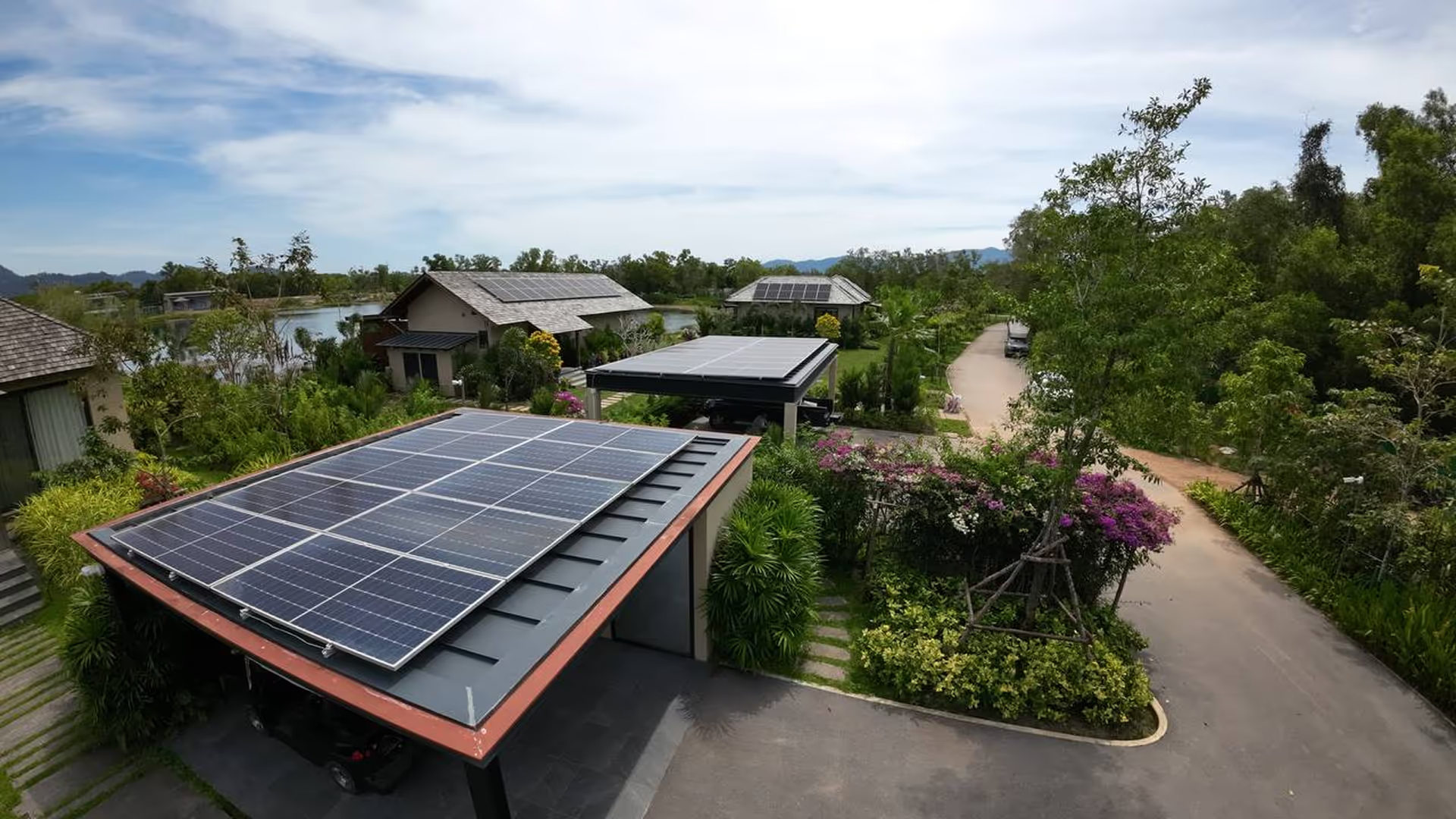
3. Engineering solution
Unified AC Coupled Energy Architecture
Core concept
We integrated the grid tied and hybrid inverters of all three buildings into a single AC coupled energy circuit. The compound now operates as one coordinated system, where generation, storage, and loads are managed together and power is delivered exactly where it is needed in real time.
Surplus solar energy from one building is instantly redirected to other areas of the property, balancing demand across the compound and minimizing draw from the utility grid.
How the system works
- Solar generation from all buildings is connected into a shared AC coupled circuit.
- Power flows are balanced between buildings in real time based on actual demand.
- If one zone experiences a shortage, surplus from another zone is automatically used.
- When grid voltage or frequency goes out of tolerance, the system switches to island mode automatically.
- After the grid stabilizes, the system returns to normal operation automatically.
- All switching and balancing happens seamlessly, without any impact on daily use.
Reliability and seamless operation
The inverters operate in parallel load sharing with hot standby redundancy.
This keeps critical loads continuously powered during grid disturbances, without interruptions, voltage surges, or manual interventions.
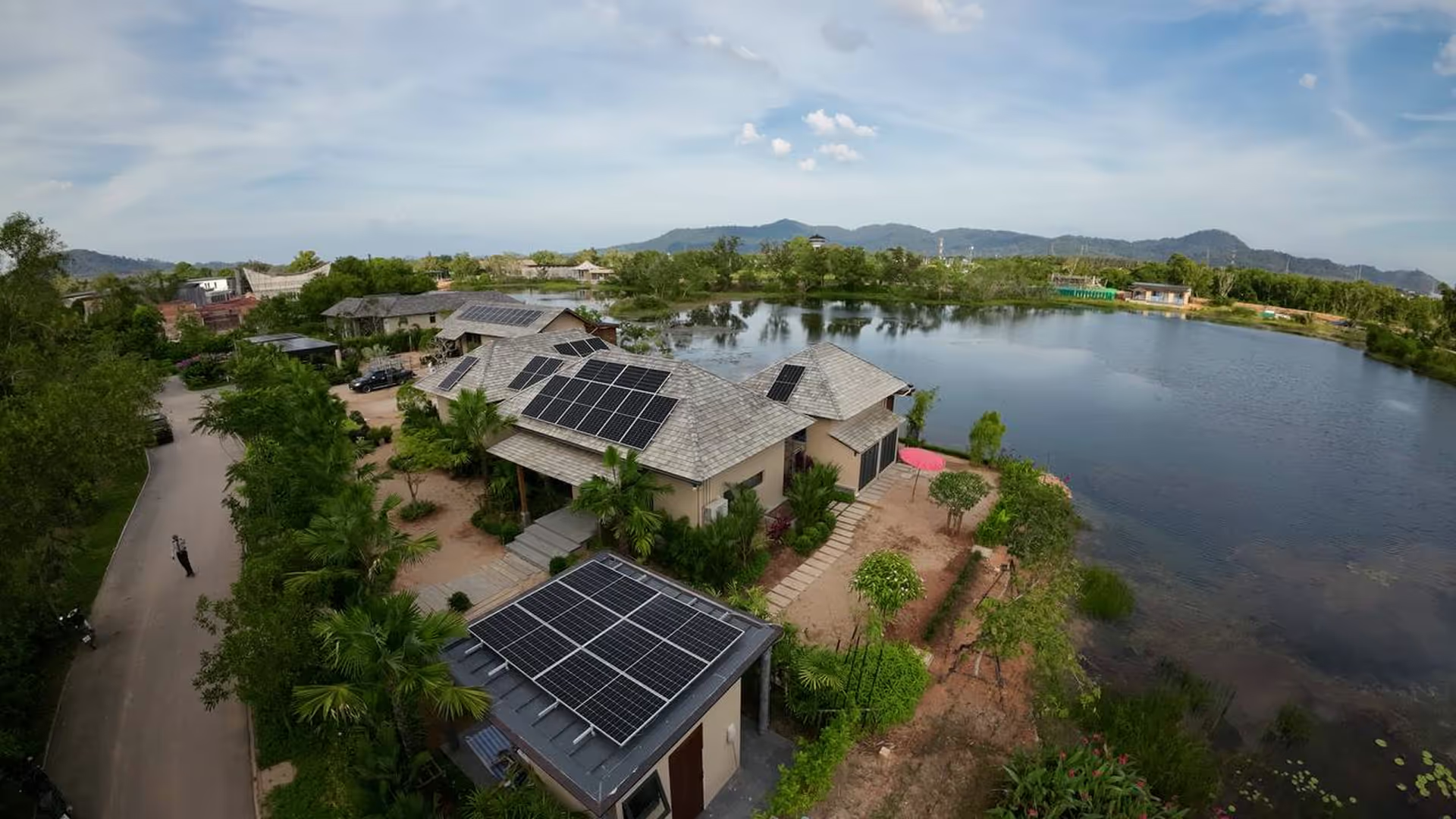
4. Solar generation and energy storage system
Solar Array
Total installed capacity: 50.07 kW
A total of 89 solar panels are installed, distributed across four zones.
Generation layout by zone
- Zone 1 — 21 panels, 11.55 kW
- Zone 2 — 16 panels (620 W each), 9.92 kW
- Zone 3 — 22 panels (550 W each), 12.10 kW
- Zone 4 — 30 panels (550 W each), 16.50 kW
This layout allowed us to adapt the system to the roof geometry while preserving the clean architectural appearance of the buildings.
Inverter equipment
To operate the solar array and distribute energy, we use a combination of grid tied and hybrid inverters integrated into a single system.
- Zones 3 and 4 — grid inverters Huawei with a capacity of 12 kW and 15 kW
- Zones 1 and 2 — hybrid inverter Deye with a capacity of 50 kW
This combination provides system flexibility and stable operation both with the grid available and in autonomous modes.
Energy storage system
The project includes an 80 kWh energy storage system based on two high voltage batteries of 40 kWh each
40 kWh + 40 kWh Deye Battery BOS-GM5.1 HV
Battery circuit functions
- Store excess solar energy.
- Smooth peak loads.
- Provide backup power based on defined priorities.
During owner absences, the primary loads are covered by the batteries and energy management scenarios, keeping grid consumption to a minimum.
In grid connected mode, the hybrid inverter supports load sharing by blending battery and solar power with the grid, reducing peak demand and lowering the compound’s dependence on external supply.
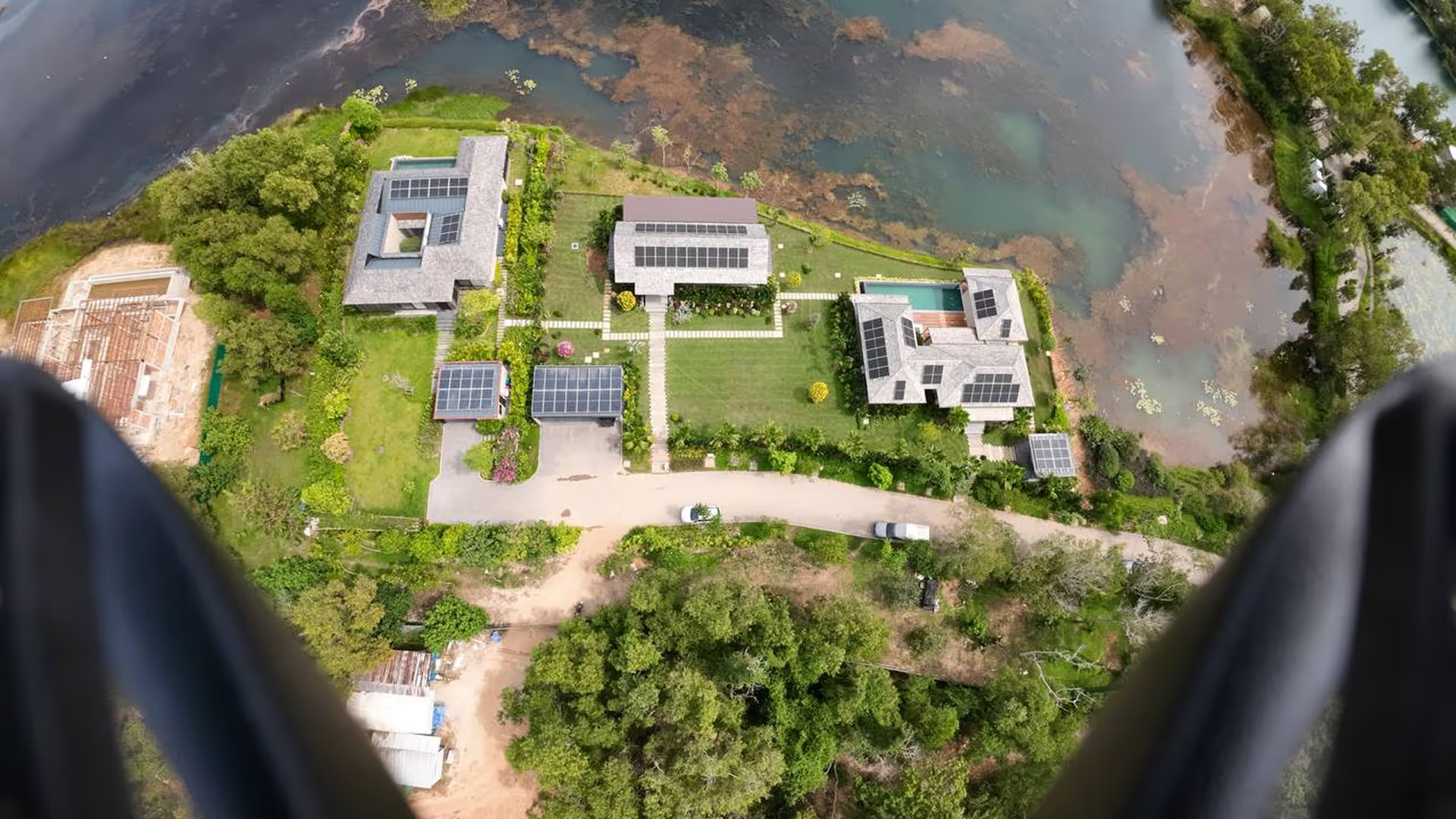
5. EMS and Safety
Intelligent energy, climate, and home protection control
At Tri Vananda, the Energy Management System is fully integrated with the smart home and security infrastructure. It intelligently coordinates energy flows, climate regulation, and protection scenarios in both grid connected and autonomous operation modes.
The system is engineered to keep the home safe, stable, and comfortable without requiring any owner intervention.
Energy and climate management
The EMS continuously monitors load profiles and indoor climate parameters, dynamically adapting operation based on real time system conditions.
Humidity control is a key focus. Once preset thresholds are reached, the system automatically activates air conditioning to stabilize the indoor microclimate. This protects interior finishes, furniture, textiles, and sensitive materials, even when the residence is unoccupied.
Comfort control functions
- Continuous monitoring of indoor temperature and humidity.
- Automatic AC activation based on humidity threshold.
- Stable microclimate maintenance in autonomous mode.
- Preserving the everyday comfort level, without lifestyle changes.
Safety and automation
A multi layer protection and automation design ensures the system reacts faster than manual intervention and keeps critical circuits stable during disturbances.
Protection and control include
- Anti islanding protection based on Schneider Electric PM2200.
- Microcontroller based ATS control logic at the main metering switchboard.
- Voltage monitoring and phase loss protection.
- Automatic staged shedding of non critical loads in under 1 second.
All emergency and transition scenarios are executed automatically, without user action and without disruption to critical systems.
Smart home and load priorities
The EMS operates in coordination with the smart home system and manages load prioritization.
When power is limited or operating in autonomous mode, the system:
- preserves power for critical consumers
- temporarily reduces or disables non-priority loads
- maintains a stable climate in all rooms
For residents, all processes take place imperceptibly.
Using excess energy
Surplus solar energy is distributed according to predefined scenarios::
- stored in batteries
- used for water heating
- used for charging electric vehicles, including golf carts
Energy is accumulated not only electrically, but also in thermal and mechanical forms, improving overall system efficiency and reducing conversion losses.
6. Key Performance Indicators
Core Metrics
- Annual savings: THB 550,000 to THB 750,000
- Solar utilization efficiency: over 95%
- Power supply reliability: 99.9%
- Payback period: 6 to 9 years
- Adjusted payback period considering tariff growth: 5 to 7 years
Performance Highlights
- Up to 75% reduction in electricity bills
- Extended battery lifespan under EMS control scenarios
- Zero grid consumption during owner absence
- Automatic non critical load shedding in under 1 second
Energy KPIs
- Self consumption rate: 70 to 85%
- Solar generation efficiency above 95%
- 100% load coverage during owner absence according to priority logic
- Uninterrupted operation during grid outages under correct EMS configuration
- Peak load reduction: 40— 70%
Economic KPIs
- Annual cost reduction: 55 to 75%
- Annual savings: THB 550,000 to THB 750,000
- Standard payback: 6 to 9 years
- Payback with projected tariff growth: 5 to 7 years
For properties of this class, financial return is only one dimension. System controllability, operational stability, and long term predictability are equally critical.
Reliability and stability KPIs
- Energy availability: 99.9%
- 100% coverage of critical systems
- Non critical load shedding in under 1 second
- Fully automatic recovery after grid disturbance
Comfort and operation KPIs
- Stable indoor temperature and humidity without sharp fluctuations
- Autonomous operation of climate and water systems
- No operational restrictions on household appliances
- Preservation of standard comfort level
- Continuous environmental and equipment monitoring
Architectural and operational KPIs
- Minimal visual impact of engineering systems
- No limitations for future modernization
- Scalable without redesigning the core architecture
7. Project results
Tri Vananda demonstrates how multiple generation sources and engineering systems can be unified into a single, intelligently managed energy infrastructure.
We created a system that autonomously distributes energy between buildings, provides backup power, regulates the climate, and protects the property from failures without being noticed by the owners.
This project is not about maximum installed capacity.
It is about control, stability, and predictability under all operating conditions.
Who is this approach suitable for?
- Private villas and residences
- Multi building residential complexes
- Premium real estate with high architectural and aesthetic standards
- Properties where autonomy, safety, and comfort are critical
Would you like a similar solution for your property?
Whether you have a single villa or several buildings, whether solar panels are already installed or only planned, we design the optimal energy architecture around your lifestyle and operational priorities.
What we do
- Load and usage pattern analysis
- Energy system architecture design
- Equipment selection and system integration
- EMS and smart home configuration
- Commissioning and ongoing maintenance
Request a consultation
Tell us about your property: number of buildings, approximate area, goals for autonomy and comfort. We will offer a solution with clear KPIs and without unnecessary engineering difficulties.